
The short answer
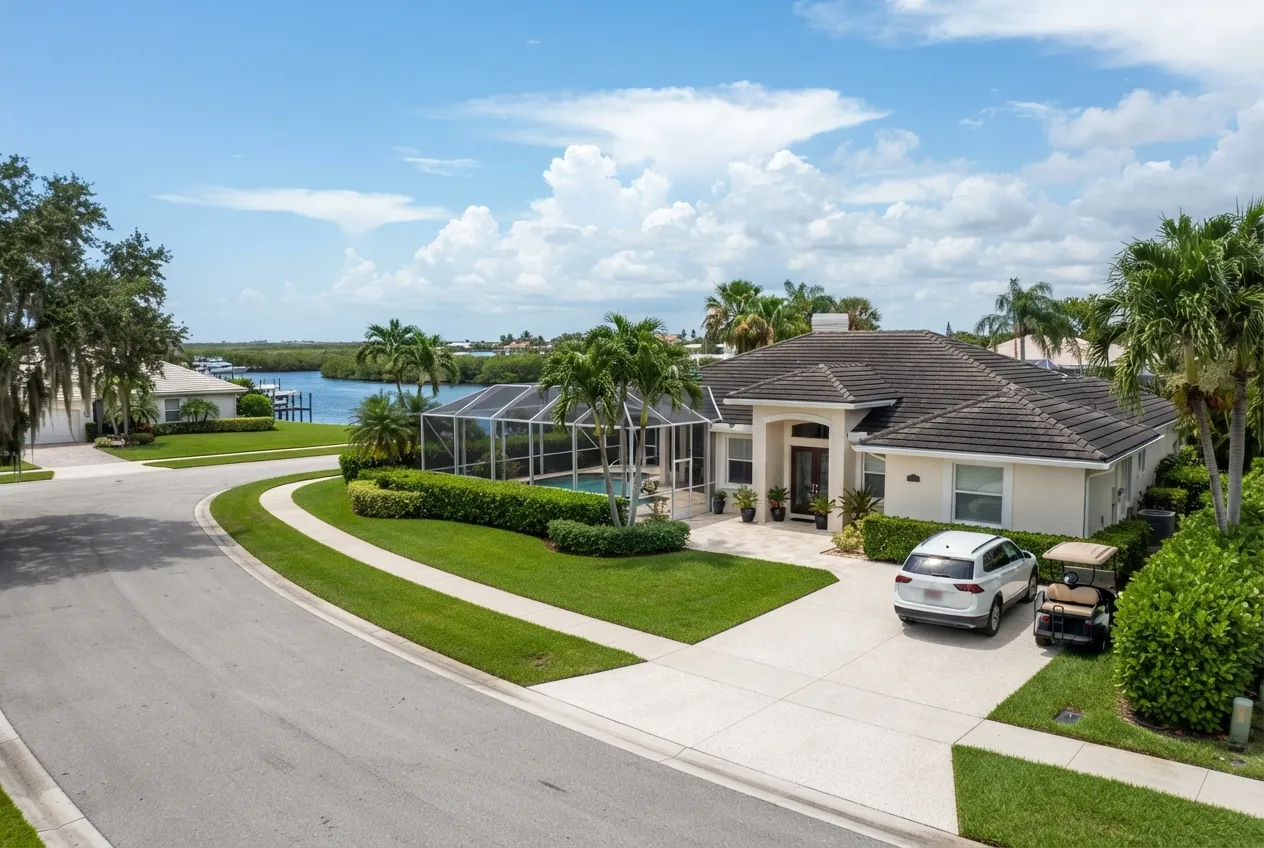
CraftEdge Painters pressure washes stucco walls, eaves, driveways, patios and pool decks in Coral Springs, using lower pressure and mildew treatment on painted surfaces. Cost depends on the area, the amount of buildup, surface type, access and whether the job is prep for repainting.
Look at the north wall of almost any house in Coral Springs after a rainy summer and you will probably find gray film, green algae or black mildew spots creeping up from the ground. Driveways pick up tire marks and rust from sprinklers, pool decks grow slick patches, and roof overhangs collect dirt that streaks down the stucco. CraftEdge Painters cleans exterior walls, soffits, driveways, walkways, patios and pool decks for homeowners in Coral Springs and nearby cities. Some customers book washing as a standalone job to freshen up the property. Many others need it as the first step before we repaint, since paint will not stick properly to a dirty or chalky wall. Either way, the goal is a surface that is clean without being damaged.
Signs your home is due for a wash
In our climate, mildew and algae grow fast because the air stays humid and walls stay damp after afternoon storms. Shaded sides of the house, areas under oak and palm canopies, and walls close to sprinkler heads usually show it first. Chalky residue on painted walls, dark streaks under gutters and rooflines, and slippery pavers are other common signs.
Washing is also worth scheduling before you list a home for sale, before hosting a big gathering, after the end of hurricane season when storms have left debris and dirt on the walls, and always before exterior painting. If you live in an HOA community, a cleaning notice from the association is another reason we often hear.
- Green, gray or black growth on stucco, block and fascia
- Rust stains from irrigation water on walls and concrete
- Dirt streaks running down from soffits and roof edges
- Slick or stained pavers on walkways and pool decks
- Chalky paint that leaves powder on your hand
Protecting plants, screens and fixtures
Cleaning solutions and high-pressure water can harm what is around the house if nobody pays attention. Before we start, we soak plant beds with plain water so they absorb less runoff, and we cover delicate plants near the walls. Outdoor outlets, light fixtures, doorbell cameras and electrical panels are covered and taped. We close windows and check that seals are tight, keep the spray off window screens and pool enclosures, and ask you to move cars, patio furniture and potted plants out of the way. Pool owners should let us know about pump timers or covers so we can keep cleaning water from draining into the pool.
Matching pressure to the surface
More pressure is not always better. Concrete driveways and sidewalks can take a strong rotary surface cleaner that lifts ground-in dirt evenly without leaving stripes. Painted stucco, wood fascia, soffits and screens need a softer approach, closer to a rinse than a blast. Too much pressure on these can etch stucco, gouge wood, drive water behind window frames and strip sound paint.
For walls and eaves, we often use a soft-wash method: apply a mildew-killing cleaning solution at low pressure, let it work for a few minutes, then rinse thoroughly. Pavers get cleaned carefully so joint sand is not blasted out, and we can re-sand joints if needed. Rust and irrigation stains may need a separate treatment made for that kind of mark.
How washing fits into a repaint
When pressure washing is the prep for a paint job, we look at the walls differently. After the house is clean and dry, flaking paint and failed caulk are much easier to see. We mark those areas and plan the scraping, sanding, crack patching, caulking and priming that come next. Drying time matters a lot here. Stucco holds moisture, and in the rainy season it may need a full day or more of dry weather before painting can begin.
Washing also tells us about the condition of the old coating. If paint comes off in sheets under gentle pressure, the house will need more scraping and primer. If it holds up well, the repaint can move faster. That information helps us choose between a standard exterior acrylic and an elastomeric coating, and decide on low-sheen paint for the walls and satin or semi-gloss for trim.
What affects the cost of pressure washing
Each home is priced after we see it, since the same square footage can be a quick job or a long one. The main factors are the total area of walls and flatwork, how heavy the mildew and stains are, the height of the house and how easy it is to reach the eaves, and whether there are delicate surfaces that need extra care. Adding driveways, pool decks, fences or a screen enclosure increases the scope. A wash bundled with exterior painting is planned as part of the larger project.
Keeping surfaces clean longer
Mildew will come back eventually in South Florida, but you can slow it down. Trim trees and shrubs so sun and air reach the walls. Adjust sprinklers so they do not spray the house. Clear gutters so water does not overflow down the stucco. Rinse walls with a garden hose a few times a year, and treat small mildew spots with a gentle cleaner before they spread. Sealing pavers after cleaning can help them resist stains and weeds. Many homeowners schedule a wash once a year, often after the rainy season ends.